News

Dotachem PEG 4000: Practical Uses in Industrial Production

2026-08-03 0 Leave me a message


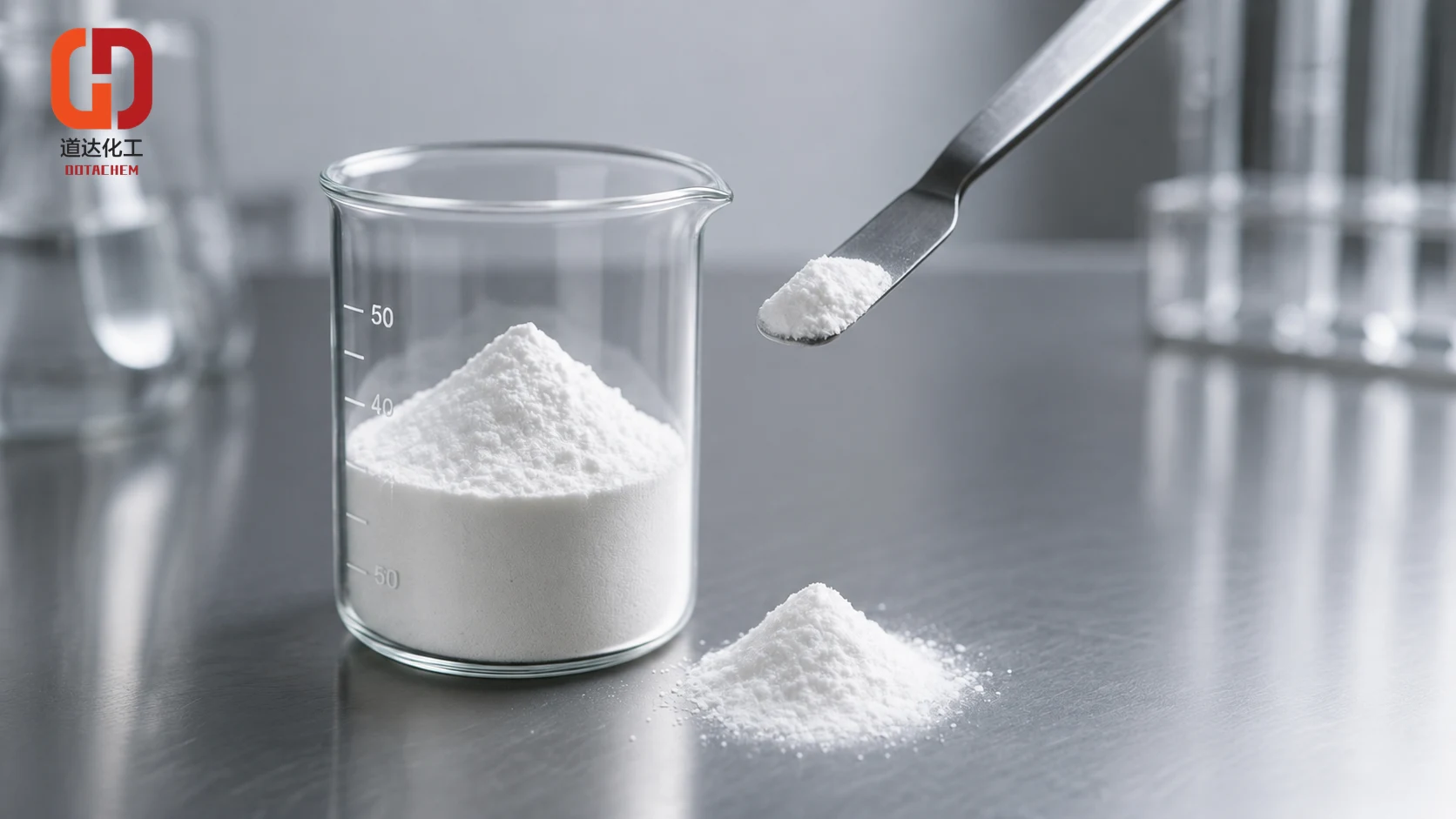
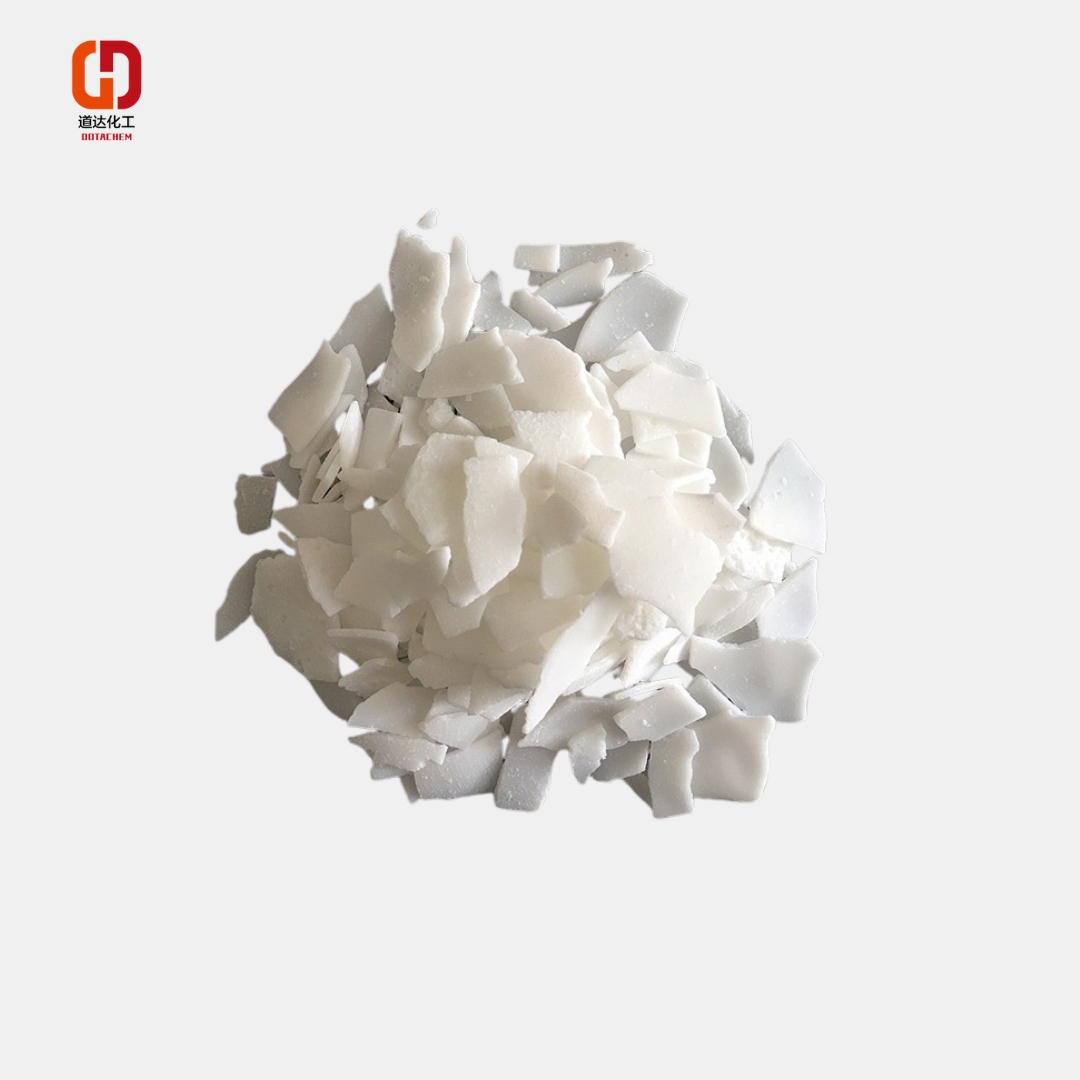
PEG 400 and PEG 4000 belong to the same polyethylene glycol family, yet they look quite different in the warehouse. PEG 400 is normally handled as a liquid, while PEG 4000 is commonly supplied as flakes, granules or powder.


The reason lies in molecular weight. Polyethylene Glycol 4000 has an average molecular weight of approximately 4,000 and is a white solid at room temperature. Depending on the product specification, it generally melts within a range of about 53–62°C.


This combination of solid form, water solubility and low volatility gives PEG 4000 several practical roles in manufacturing.


Holding ceramic powders together


Fine ceramic powders do not naturally retain their shape. Before pressing or forming, a binder may be needed to keep the particles together and reduce damage during handling.


PEG 4000 can perform this role as a water-soluble binder or processing aid. It can be introduced during wet mixing and remains in the material after drying, helping the green body maintain sufficient strength for transfer and further processing.


The required amount depends on the ceramic powder, forming method and desired green strength.


Supporting the formation of solid cleaning products


Laundry additives and automatic dishwashing products are often manufactured as granules, blocks or tablets. Loose powders must first be brought together and kept in a stable form.


In these systems, PEG 4000 may help bind powdered ingredients during granulation or compaction. When the finished product comes into contact with water, the polyethylene glycol can dissolve along with the other soluble components. This makes it useful when both solid-product strength and water solubility are required.


Reducing sticking during rubber processing


Rubber and elastomer materials may adhere to equipment or mould surfaces during processing. PEG 4000 can be incorporated into certain lubricant or mould-release systems to help manage this contact.


It is not the main rubber raw material. Its role is to assist with release, movement or handling during production. Suitability and dosage should therefore be checked against the rubber type, processing temperature and equipment conditions.Acting as a polyether raw material in resin synthesisPEG 4000 contains hydroxyl groups at both ends of its molecular chain, allowing it to participate in further chemical reactions. It can therefore be used as an intermediate in the production of polyesters, polyurethanes and other resin systems.


In this case, PEG 4000 does more than provide temporary processing support. Its polyether chain may become part of the final polymer structure, with the resulting effect determined by the resin design and reaction conditions.


What should buyers check?


PEG 4000 products may differ in molecular-weight range, hydroxyl value, moisture, physical form and packaging. Powder can be convenient for uniform mixing with other dry materials, while flakes may suit processes that use heated or melt-based addition.


Buyers should also confirm whether the material is intended for industrial or another specialized use. Dissolution method, addition temperature and batch consistency should all be reviewed against the actual production process.


Dotachem supplies Polyethylene Glycol in different molecular-weight ranges. Contact us for PEG 4000 specifications, packaging details and supply information.


Related News
Leave me a message
X
We use cookies to offer you a better browsing experience, analyze site traffic and personalize content. By using this site, you agree to our use of cookies.Privacy Policy
RejectAccept