Whatsapp
| Trade Name | Melting point |
water% (max) |
average Mw |
PH value (5% aq) |
Color(30℃) APHA(max) |
FORM in 25℃ |
Flash Point ℃ |
OHV mg KOH/g |
| PEG 200 |
|
0.5 | 190~210 | 4.0~7.0 | 30 | L | >150 | 549~590 |
| PEG 300 |
|
0.5 | 285~315 | 4.0~7.0 | 30 | L | >200 | 356~393 |
| PEG 400 | 4~8 | 0.5 | 380~420 | 4.0~7.0 | 40 | L | >200 | 267~295 |
| PEG 600 | 18~22 | 0.5 | 570~630 | 4.0~7.0 | 40 | L | >200 | 178~196 |
| PEG 800 |
|
0.5 | 774~831 | 5.5~7.5 | 30 | L | >200 | 135~145 |
| PEG 1000 | 35~39 | 0.5 | 950~1050 | 4.0~7.0 | *:30 | S | >200 | 107~118 |
| PEG 1540 | 43~47 | 0.5 | 1300~1600 | 4.0~7.0 | *:30 | S | >200 | 70~86 |
| PEG 2000 | 49~53 | 0.5 | 1800~2200 | 4.0~7.0 | *:30 | S | >200 | 51~62 |
| PEG 3000 | 53~57 | 0.5 | 2800~3200 | 4.0~7.0 | *:40 | S | >200 | 35~40 |
| PEG 3350 | 53~57 | 0.5 | 3080~3680 | 4.0~7.0 | *:40 | S/F | >200 | 30.5~36.5 |
| PEG 4000 | 53~57 | 0.5 | 3400~4000 | 4.0~7.0 | *:40 | S/F | >200 | 28~33 |
| PEG 5500 |
|
0.5 | 5000~6000 | 4.0~7.0 | *:40 | F | >200 | 18.7~22.4 |
| PEG 6000 | 56~61 | 0.5 | 5800~6500 | 4.0~7.0 | *:40 | F | >200 | 17.3~19.3 |
| PEG 8000 | 56~61 | 0.5 | 7400~9000 | 4.0~7.0 | *:40 | F | >200 | 12.5~15.2 |
| PEG 11000 | 56~61 | 0.5 | 10700~12000 | 4.0~7.0 | *:40 | F | >200 | 9.0~12.0 |
| PEG 12000 | 56~61 | 0.5 | 11000~13700 | 4.0~7.0 | *:40 | F | >200 | 8.2~10.2 |
| PEG 13000 | 56~61 | 0.5 | 11800~15000 | 4.0~7.0 | *:40 | F | >200 | 7.5~9.5 |
| PEG 20000 | 54~64 | 0.5 | 16000~25000 | 5.0~8.0 | *:40 | S | >200 | 4.5~7.0 |
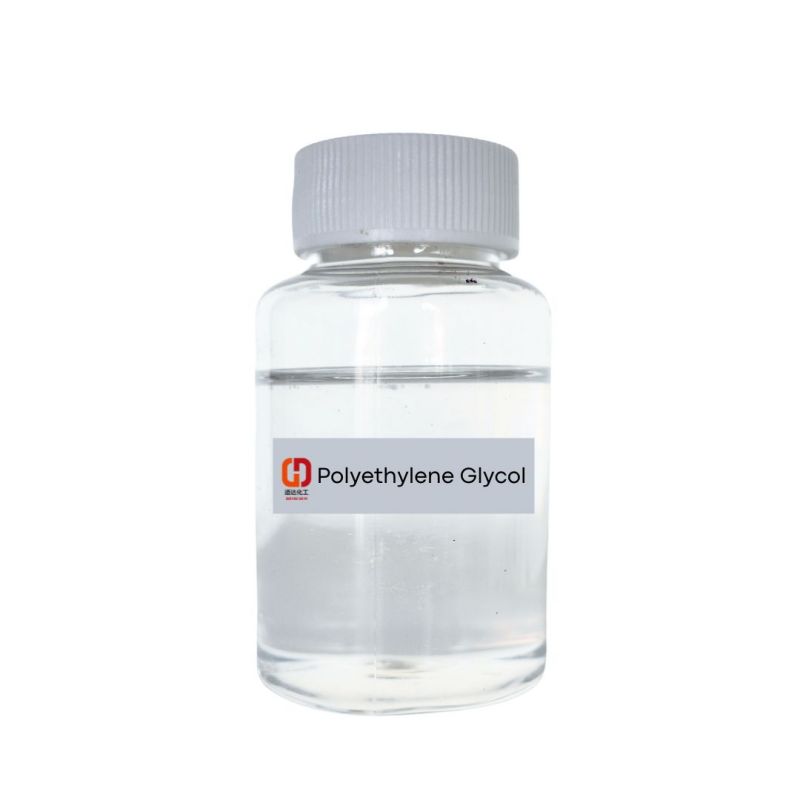
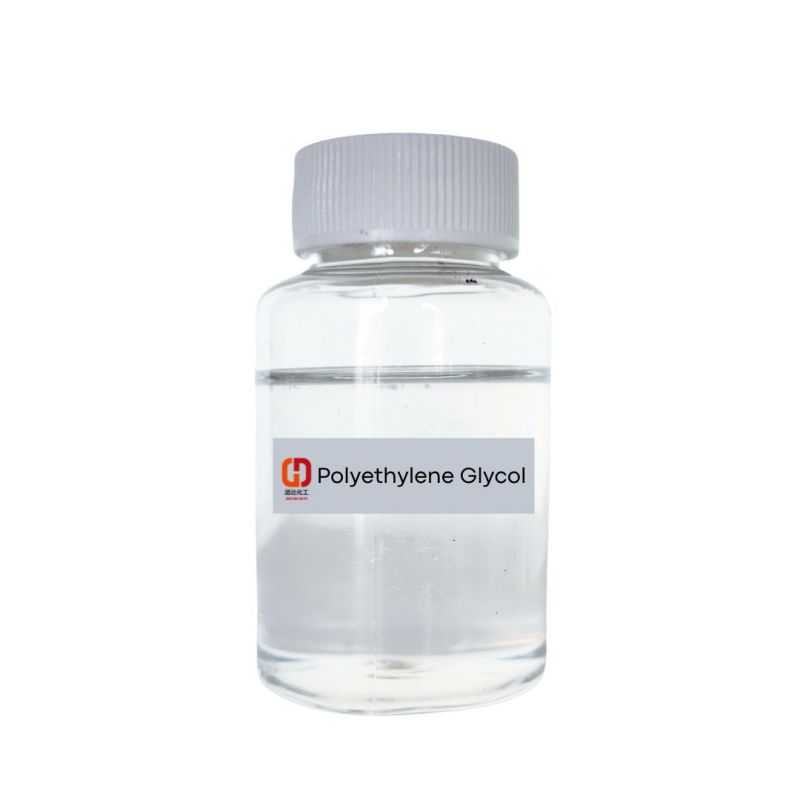
Polyethylene glycol has excellent lubricity, moisture retention, dispersion, adhesion, can be used as an antistatic agent and softening agent, etc., in cosmetics, pharmaceutical, chemical fiber, rubber and other industries have a very wide range of applications.
Polyethylene Glycol is used in a variety of industrial systems where lubrication, dispersion and processing performance are required. In rubber vulcanization, textile fiber treatment, metalworking fluids and plastic compounding, PEG can help reduce friction and improve material flow during production.
Depending on molecular weight and application requirements, it may be selected as a lubricant, dispersing aid, release agent or processing additive.
PEG offers good water solubility across a wide range of grades, making it suitable for many water-based formulation systems. Low molecular weight PEG grades are commonly used in liquid systems, while higher molecular weight grades are selected when solid form, consistency or structural support is required.
This grade flexibility allows PEG to function as a carrier, solubilizer, co-solvent or formulation aid in selected applications.
PEG can be used as a humectant and texture modifier in cosmetic, personal care and pharmaceutical formulations. It helps adjust moisture balance, consistency and product feel in creams, gels, ointments and suppository bases.
In paper, textile and coating applications, PEG may also support controlled moisture behavior, handling performance and storage stability, depending on the formulation system.
Polyethylene Glycol shows good compatibility with many commonly used formulation materials, including solvents, surfactants, salts, polymers and selected active ingredients. It can help pigments, additives and functional components disperse more evenly in multi-component systems.
This makes PEG suitable for pharmaceutical, cosmetic, coating and industrial applications where uniform distribution and formulation stability are important.
Used in ointments, gels, capsules and suppository bases as a solvent, carrier or excipient.
Food-grade PEG may be used in approved food-related applications, subject to local regulatory requirements.
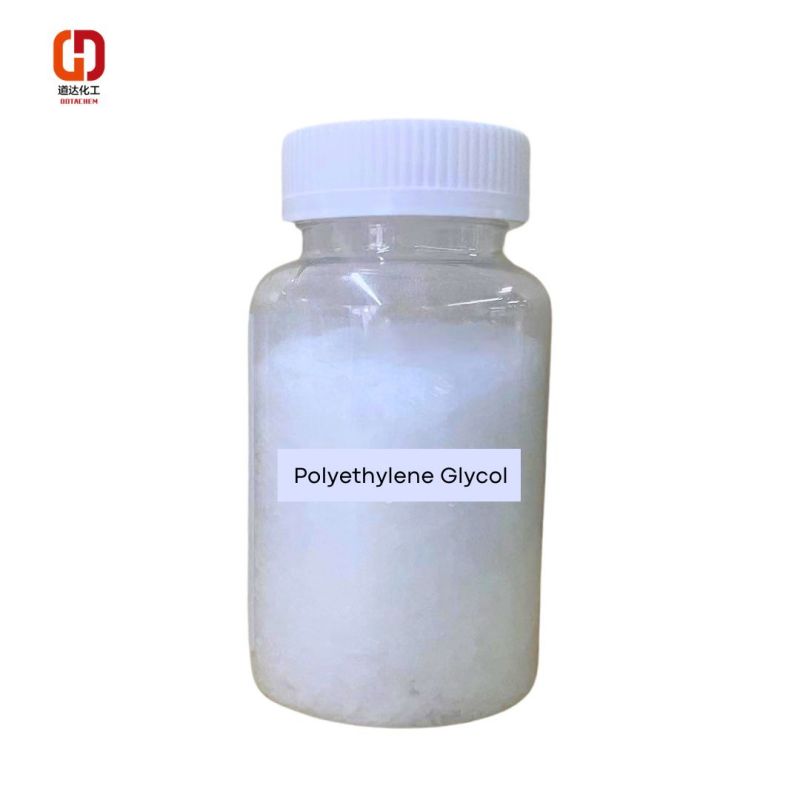
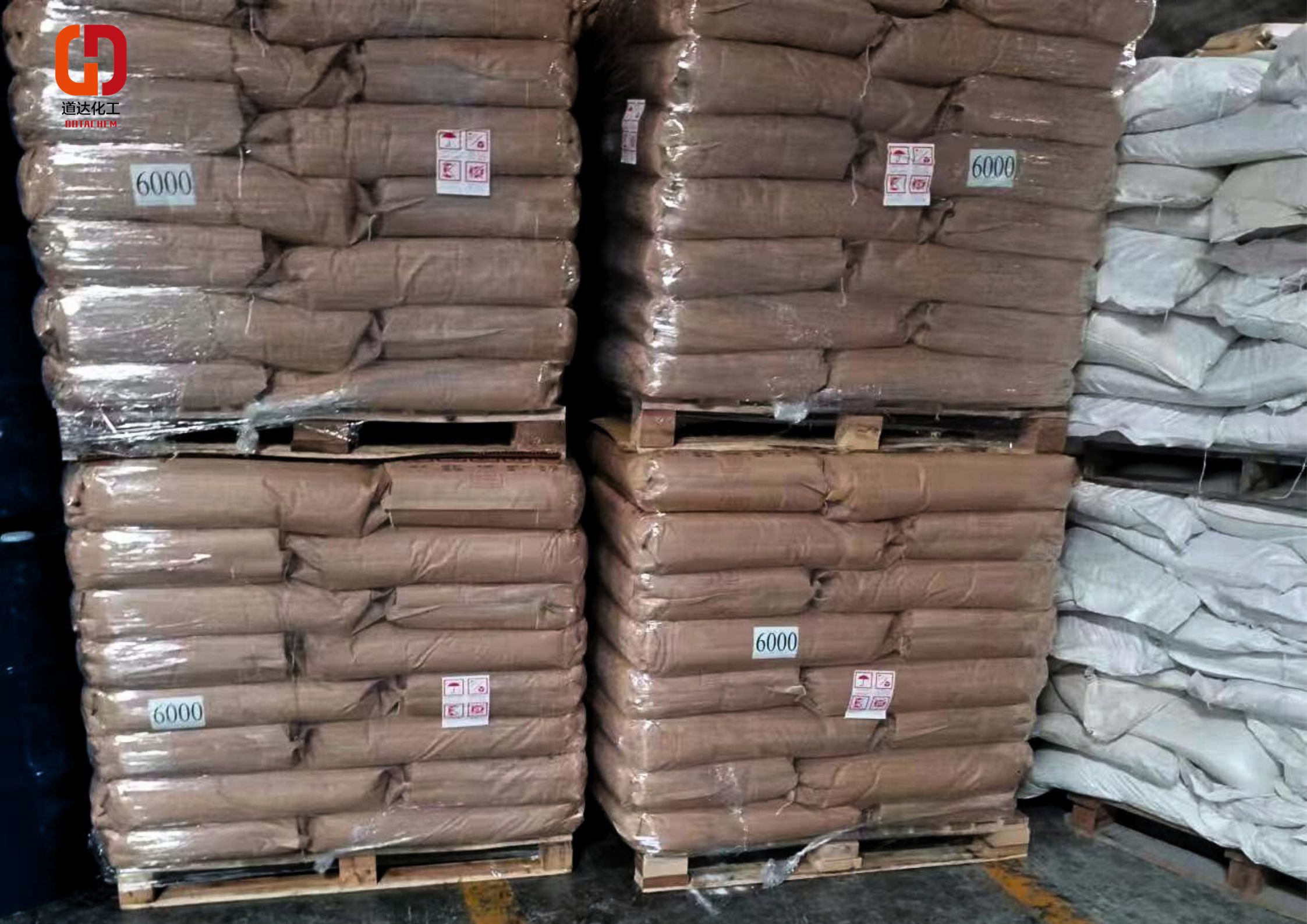
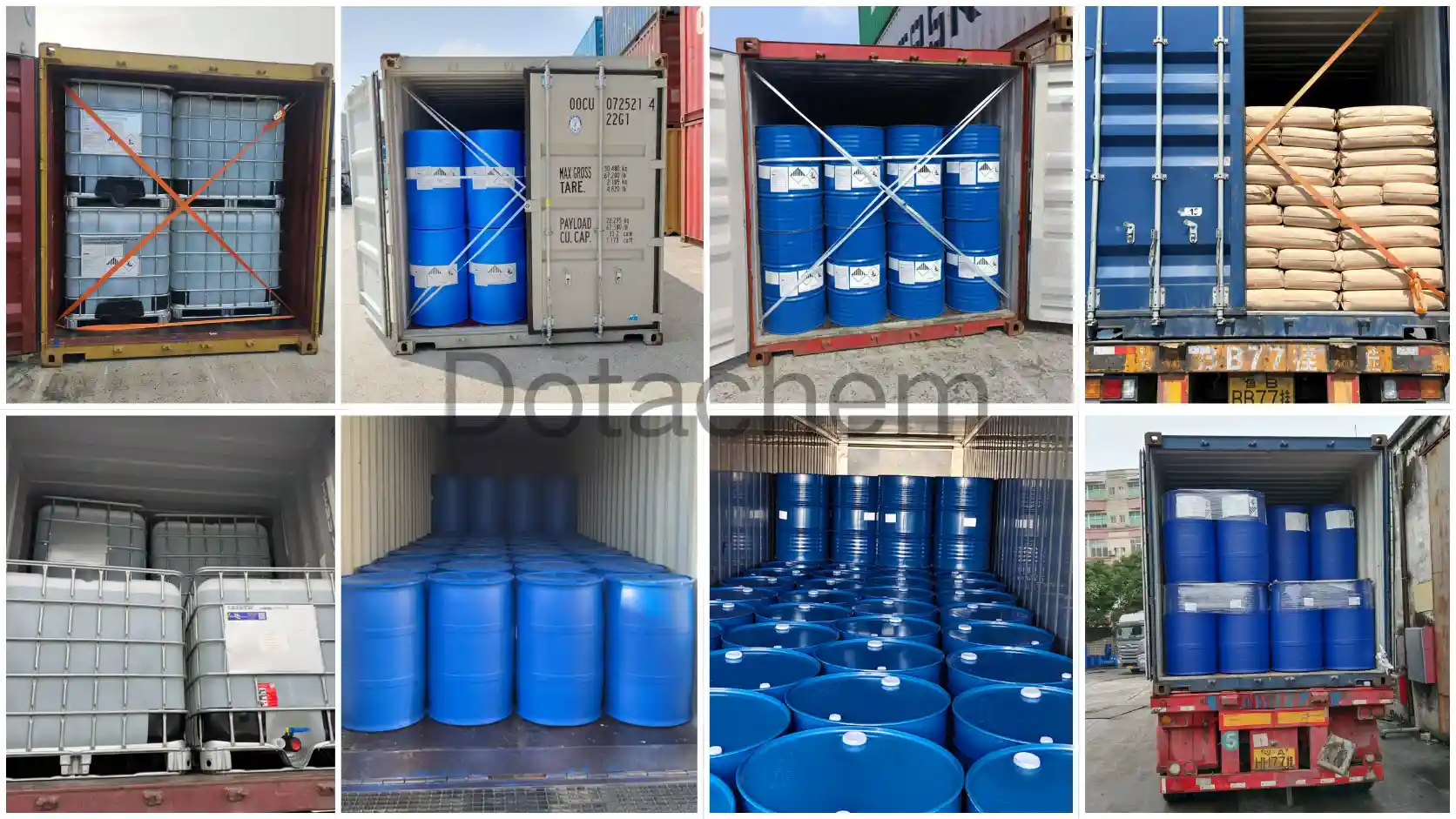
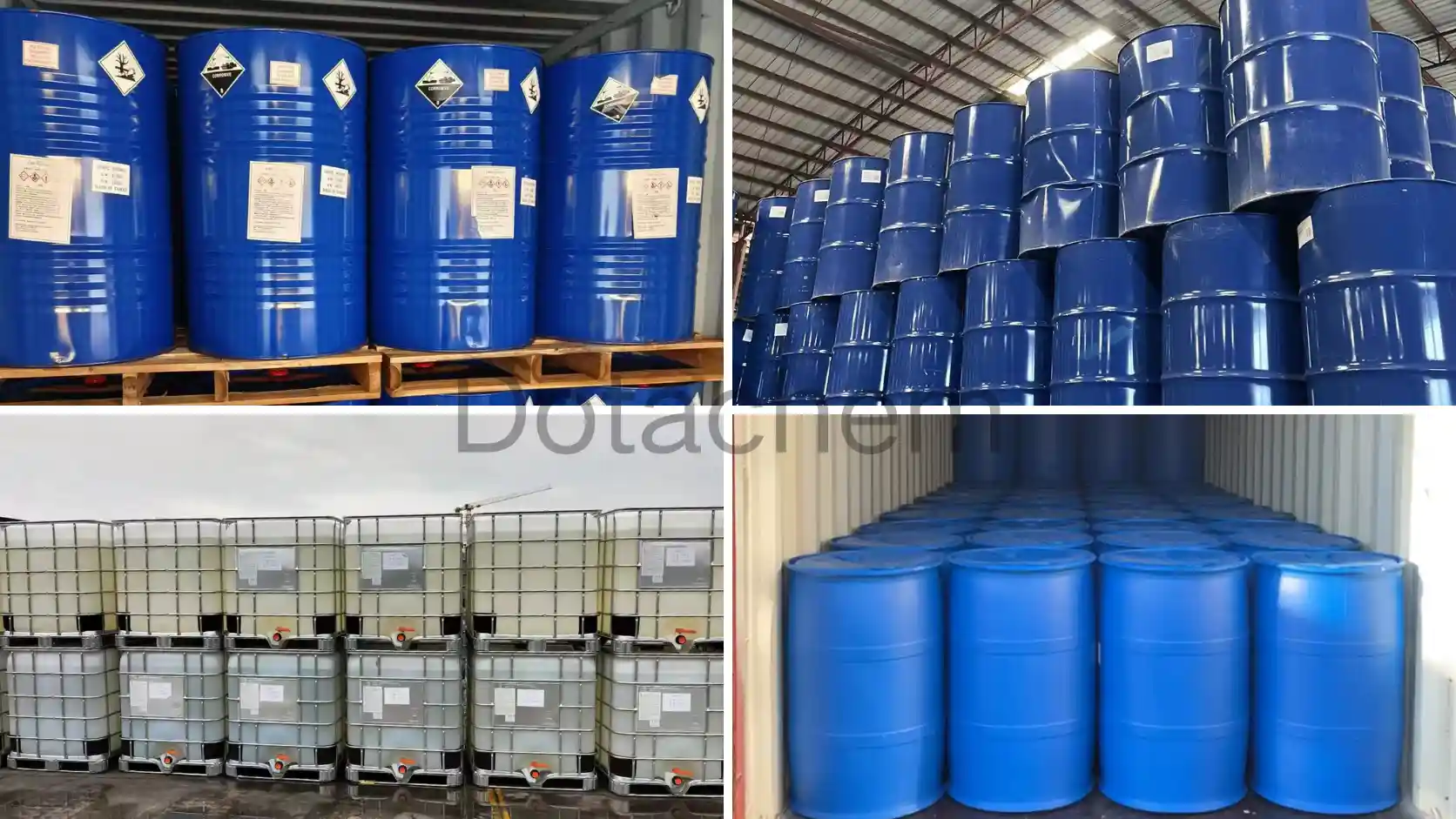
Polyethylene Glycol can be supplied in different packaging according to grade and physical form. Liquid PEG grades are commonly packed in drums or IBC tanks, while solid PEG grades can be supplied in bags, cartons or other suitable packaging for storage and shipment.
PEG should be stored in a cool, dry and well-ventilated warehouse.
Keep away from direct sunlight, high temperature, moisture, open flames and strong oxidizing agents.
- Dotachem supplies Polyethylene Glycol products for customers in personal care, pharmaceutical, textile, coating, rubber, plastic, metalworking and other industrial fields. With multiple PEG grades available, we can support different formulation and production requirements from low molecular weight liquid PEG to higher molecular weight solid PEG.
- For PEG procurement, stable quality and clear specifications are important. Dotachem pays attention to product consistency, specification confirmation and document support before shipment. Key product information such as molecular weight range, appearance, pH value, moisture content, hydroxyl value and other grade-related indicators can be confirmed according to customer needs.
- As a China-based Polyethylene Glycol supplier, Dotachem also supports international customers with flexible packaging, export coordination and responsive communication. COA, MSDS, TDS and other product documents can be provided upon request to support customer evaluation, customs clearance and production use.
- After shipment, Dotachem remains available for order follow-up, document assistance and product-related communication. From storage questions to batch document support and future reorders, our team provides timely after-sales support to help customers manage procurement and production more smoothly.
A: Yes. Samples are available for testing and formulation evaluation. Please confirm the required PEG grade, application and target specifications before requesting a sample.
A: Yes. Dotachem attends chemical industry exhibitions in Europe, the Middle East and Southeast Asia to meet customers, understand application needs and discuss suitable product solutions.
A: The right PEG grade depends on molecular weight, physical form and application needs. Low molecular weight grades such as PEG 200, PEG 300, PEG 400 and PEG 600 are usually used in liquid systems, while higher molecular weight grades such as PEG 1000, PEG 4000, PEG 6000, PEG 8000 and PEG 20000 are more suitable for solid or semi-solid formulations.
A: Yes. Dotachem supplies Polyethylene Glycol and related chemical products, with more than ten years of experience in chemical supply and application support. We provide grade selection, product documents, packaging support, samples and export service. Our product range also covers surfactants, Alcohols, polyether polyols and functional additives.
Related Articles
Address
No. 521-1, Ningliu Road, Changlu Street, Jiangbei New District, Nanjing, China
Tel