News

Monoethanolamine MEA Uses and Applications: A Sourcing Guide for Industrial Buyers

2026-05-28 0 Leave me a message


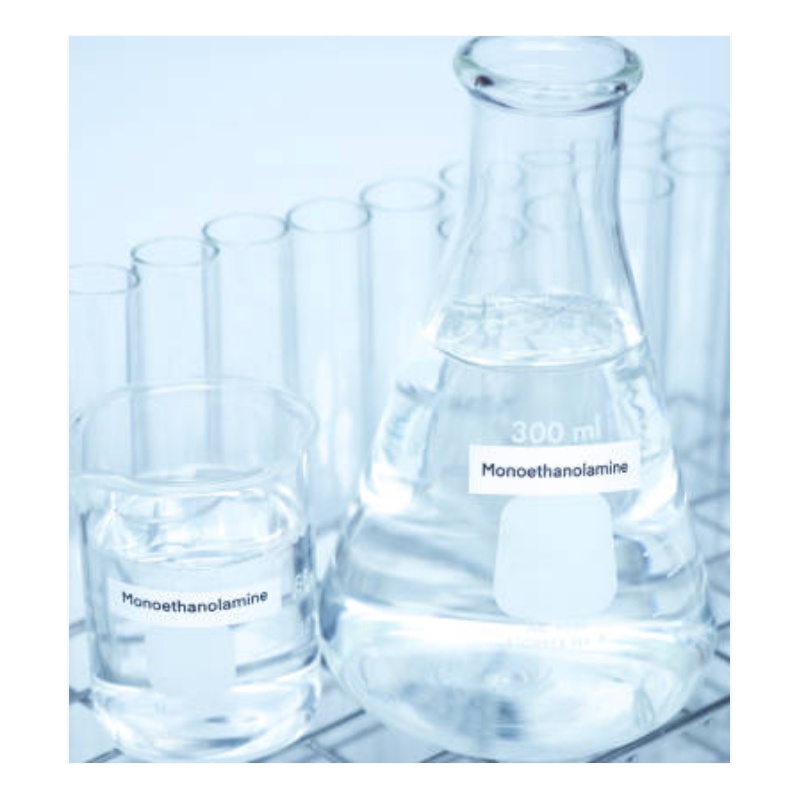
Monoethanolamine (MEA), also known as ethanolamine or 2-aminoethanol, CAS No. 141-43-5, is a basic chemical raw material that has been used in industrial applications for many years. It appears in many industries that seem very different from each other — natural gas treatment units in the Middle East, cosmetics laboratories in Europe, and cement plants in Southeast Asia. This is not a coincidence. It comes from the molecular structure of MEA: it contains both an amine group and a hydroxyl group, allowing it to perform functions that simple amines or alcohols cannot easily provide at the same time.


For industrial buyers, this also means MEA is rarely purchased for only one single use. The same product may be used in natural gas treatment, pH adjustment, cleaning formulations, cement grinding aids or agricultural chemicals. However, different applications may have different requirements for purity, packaging, storage, handling and supply stability. In this article, Dotachem looks at the actual application areas of MEA, why it continues to be used in these industries, and what buyers should pay attention to when sourcing monoethanolamine from China.


Gas Treatment: A Major Application Area for MEA


If you work in natural gas treatment, MEA is likely a familiar material. Since the 1930s, MEA has been used to remove CO2 and H2S from gas streams, and it remains a common choice in many units today. This is not because there are no alternatives, but because in medium-pressure and relatively straightforward gas sweetening applications, MEA offers the advantages of lower cost and simpler operation.


In a typical natural gas treatment unit, MEA is usually used at a concentration of 15–30% by weight. It absorbs acid gases at lower temperatures and releases them during regeneration at higher temperatures, allowing the solvent to be used in a continuous cycle. Its limitation is that, under high CO2 partial pressure, MEA degrades more easily than newer amines such as MDEA and requires more energy for regeneration. However, for smaller units or projects where capital cost matters more than long-term solvent consumption, MEA still has economic value.


For buyers in the gas treatment industry, price is only part of the decision. Stable purity, low water content, suitable bulk packaging and reliable delivery schedules are also important, because solvent performance can directly affect plant operation.


Personal Care: More Than a pH Adjuster


MEA is often found in personal care formulations, usually at a use level of 0.1–2%. It may seem to be used simply to neutralize acidic ingredients such as carbomers and help stabilize emulsions. However, formulators often choose MEA instead of other neutralizers because the salts formed by MEA can provide a better skin feel and avoid the stronger harshness that sodium hydroxide may bring.


MEA can also be used in raw materials such as MEA-lauryl sulfate, a surfactant used in shampoos and facial cleansers where mildness is required. One point formulators need to watch is that MEA may cause discoloration at higher concentrations or under heated conditions, so processing temperature and final dosage should be controlled.


For personal care and daily chemical manufacturers, sourcing MEA is not simply about buying a standard amine raw material. Customers usually need clear specifications, consistent batch quality and documents that can support formulation testing and quality review. This is also what Dotachem has been focusing on when supplying MEA and other amine chemicals to customers in personal care, detergent and surfactant-related industries — putting quality control first.


Industrial Cleaning: Controlled Alkalinity with Less Pressure from Strong Alkalis


Heavy-duty cleaners, such as oven cleaners, hard surface degreasers and industrial floor cleaners, usually require a high pH to remove grease and baked-on residues. Sodium hydroxide can achieve this, but it is aggressive, may damage surfaces and is not always easy to formulate into stable liquid systems.


MEA provides strong alkalinity in a more controllable form. It is relatively less corrosive, easier to blend with other ingredients, and can also act as a coupling agent to help keep water-based formulations stable. For cleaning product manufacturers that need cleaning power while reducing the handling pressure of strong alkalis, MEA is a practical middle-ground option.


Packaging is also important, because cleaning product manufacturers of different sizes may require drum packaging, IBC tanks or bulk liquid supply. Dotachem can provide flexible MEA packaging and shipping arrangements for both trial orders and long-term industrial purchasing.


Cement Grinding Aid: Small Dosage, Measurable Output Improvement


For people outside the construction chemicals industry, this application may be less familiar. MEA can be used in cement mills at a dosage as low as 0.02–0.05% by weight of cement. Although the dosage is small, its effect on grinding efficiency can be measured. During grinding, MEA can adsorb onto the surface of cement particles, reduce particle agglomeration and improve particle size distribution. The practical result is higher mill output and better early strength performance in the final concrete.


At this dosage level, the cost per ton of cement is relatively low, which is why cement producers in cost-sensitive markets have used this type of raw material for many years.


Agricultural Formulations: Helping Active Ingredients Work Better


In herbicide and pesticide formulations, MEA can be used to convert acidic active ingredients into amine salt forms. These forms usually have better water solubility, greater stability in liquid concentrates and easier application. MEA-based herbicide salts are commonly seen in broad-spectrum weed control products.


In addition to salt formation, MEA can also help improve the spreading and adhesion of active ingredients on plant surfaces, allowing them to stay better at the application site instead of running off quickly. This has practical value in markets where reducing agrochemical use or controlling cost is important.


For agricultural formulation customers, MEA selection is usually related to solubility, purity, compatibility and stable batch supply. Dotachem can serve customers using MEA in agrochemical intermediates, herbicide formulations and other industrial chemical systems where consistent raw material quality is required.


What Should Buyers Really Consider When Purchasing MEA?


For most industrial buyers, MEA is a bulk chemical raw material. Purity and stable supply are basic requirements, not extra selling points. In actual purchasing, the problems that cause trouble are often inconsistent purity between batches, packaging that does not match the buyer’s handling setup, or a supplier that cannot respond quickly when demand increases.


Before purchasing monoethanolamine, buyers usually need to confirm the following points:


  • MEA purity and water content
  • Color and appearance requirements
  • Packaging form, such as drums, IBC tanks or bulk liquid
  • Storage and handling conditions
  • Availability of COA, TDS and SDS
  • Delivery schedule and shipping method
  • Long-term supply capacity for repeated orders
  • Whether related amine products such as DEA, TIPA, EDA or TEDA are also required


Dotachem supplies MEA with purity of ≥99%, available in drums, IBC tanks and bulk liquid. Our products have been exported to 50+ countries and markets, including Europe, the Middle East and Southeast Asia. Free samples are available for new application customers. Complete technical documents — COA, TDS and SDS — are provided as standard.


For related products in the amine chemicals range, see Diethanolamine (DEA), Triisopropanolamine (TIPA), Ethylenediamine (EDA), Triethylenediamine (TEDA) and the full Amines product category. Feel free to contact us for more product information and quotation support.


For buyers comparing MEA with DEA in industrial formulations, you may also read our ethanolamine application guide.

Ethanolamine Applications: How MEA and DEA Support Industrial Formulations


Related News
Leave me a message
X
We use cookies to offer you a better browsing experience, analyze site traffic and personalize content. By using this site, you agree to our use of cookies. Privacy Policy
Reject Accept