News

Polyethylene Glycol (PEG) vs Polypropylene Glycol (PPG): Which Is Right for Your Formulation?

2026-04-15 0 Leave me a message


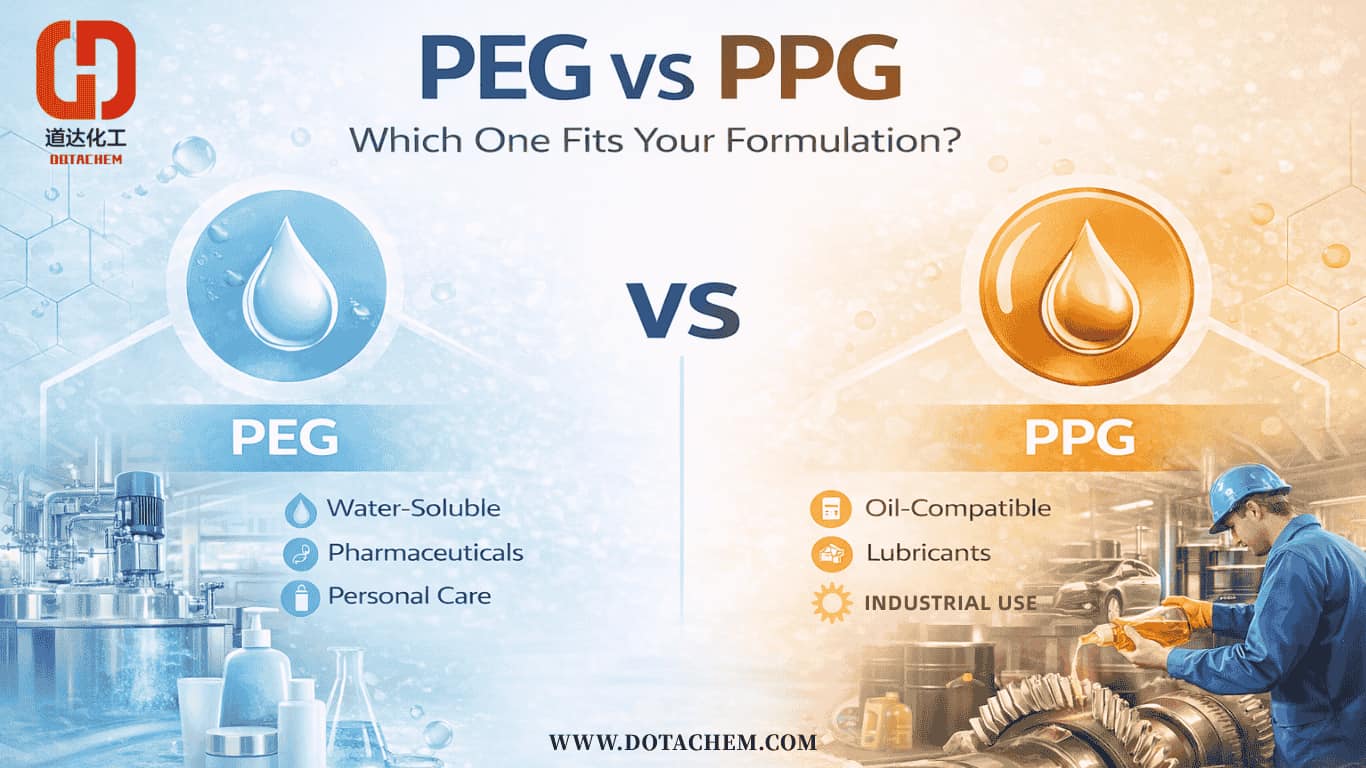
In formulation design across pharmaceuticals, cosmetics, lubricants, and other industries, selecting the right polymer is critical to product performance and stability. Polyethylene Glycol (PEG) and Polypropylene Glycol (PPG) are two widely used polymers. While their names are similar, they differ significantly in properties, applications, and ideal use cases. Understanding these differences is essential for R&D teams and manufacturing enterprises.


What is Polyethylene Glycol (PEG)?


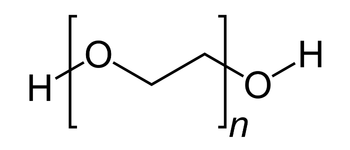
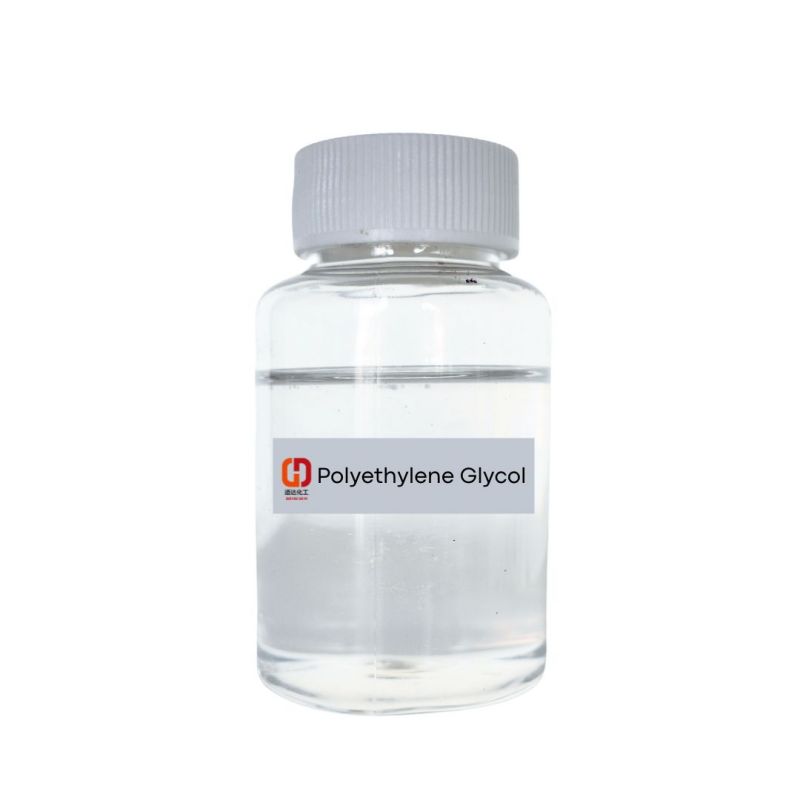
Polyethylene Glycol (PEG) is a linear polyether synthesized by the polymerization of ethylene oxide, with hydroxyl groups (-OH) at both ends of the molecular chain. PEG is highly water-soluble, offers excellent biocompatibility, and is available in a wide range of molecular weights, from 200 to 20,000 g/mol.


Key Applications of PEG:


  • Pharmaceutical Industry: Used as solvents, plasticizers, and bases for ointments and suppositories
  • Cosmetics: Serves as humectants, emollients, and thickeners
  • Industrial Applications: Utilized as lubricants and dispersants


PEG's strong hydrophilicity makes it ideal for water-based formulations. It is the preferred choice for applications requiring high water solubility and safety.


What is Polypropylene Glycol (PPG)?


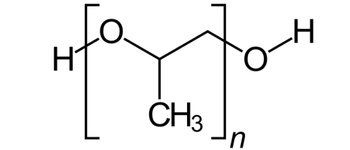
Polypropylene Glycol (PPG) is a linear polyether produced by the polymerization of propylene oxide. Its side chain features methyl groups (-CH₃), which give PPG greater hydrophobicity than PEG. PPG has better compatibility with oils and lower water solubility.


Key Applications of PPG:


  • Industrial Lubricants and Hydraulic Fluids
  • Cosmetics and Personal Care Products (focused on water resistance)
  • Polyols in Polyurethane Production


PPG outperforms in formulations requiring lubricity, water resistance, or oil-based systems.


PEG vs PPG: Core Differences


Property
PEG (Polyethylene Glycol)
PPG (Polypropylene Glycol)
Chemical Structure
Polymerized from ethylene oxide (EO), no side-chain methyl groups, hydroxyl groups at both ends
Polymerized from propylene oxide (PO), side-chain methyl groups, hydroxyl groups at both ends
Solubility
High water solubility
Strong lipophilicity
Viscosity
Molecular weight dependent; increases with MW
Molecular weight dependent; at same MW, PPG is typically higher than PEG
Biocompatibility
Excellent (FDA-approved for pharmaceutical use)
Moderate (safer at low molecular weights)
Primary Applications
Pharmaceuticals, personal care, water-based systems
Industrial lubrication, polyurethane, oil-based systems


How to Choose Between Polyethylene Glycol (PEG) or Polypropylene Glycol (PPG)?


For practical applications, we recommend evaluating selection based on the following dimensions:


Dimension
Choose PEG
Choose PPG
System Type
Water-based systems
Oil-based systems
Functional Requirements
Moisturizing, solvent needs
Lubrication, water resistance
Molecular Weight
Different MW directly impacts viscosity and performance
End Application
Pharmaceutical and high-safety scenarios
Industrial lubrication, polyurethane


DOTACHEM's Product Offerings and Solutions


As a professional chemical supplier, DOTACHEM provides a full range of Polyethylene Glycol (PEG) and Polypropylene Glycol (PPG) products, along with customized formulation solutions. We meet the performance needs of various industries from basic raw materials to high-end applications.


1. Extensive Product Specifications
  • Offers multiple molecular weight grades of PEG and PPG, covering the full range of 200 to 20,000 g/mol
  • Supports customized indicators (e.g., viscosity, purity) to optimize fluidity and lubricity
  • Covers industrial grade, cosmetic grade, and other application standards

2. Stable Supply Chain Capability
  • Ensures long-term, stable supply to guarantee production continuity
  • Provides flexible logistics and delivery solutions, including multi-modal transport, FCL/LCL shipping, and sea, air, and land freight
  • Implements end-to-end supply chain traceability with full control from raw material procurement to finished product delivery


3. Strict Quality Control

  • Production strictly follows ISO 9001 quality management system
  • Complies with international standards such as FDA, EP, and USP
  • Provides complete technical documentation support, including COA, MSDS, and TDS
  • Full traceability with COA for every batch


4. Professional Technical Support

  • Matches the optimal molecular weight range based on customers' end applications and process parameters
  • Offers professional technical documents and application guidance to efficiently support R&D and production
  • Shares industry technical experience and application cases to help customers optimize formulations


Conclusion: Choose DOTACHEM to Boost Your Formulation Competitiveness


Whether selecting Polyethylene Glycol (PEG) or Polypropylene Glycol (PPG) , the core lies in matching specific application requirements. Through scientific product selection and reliable supply, enterprises can significantly improve product performance and market competitiveness.


If you are looking for high-quality PEG or PPG products, contact DOTACHEM for professional quote and customized solutions. 

Work with us to build more competitive products!


FAQ


1. Which one is better, PEG or PPG?

PEG is better for water-based formulations, while PPG is better for oil-based systems. The choice depends on application needs. 

Remember: PEG loves water. PPG loves oil.


2. Is PEG safer than PPG?

Generally, yes. PEG has better biocompatibility and is FDA-approved for pharmaceutical use. PPG is also safe at lower molecular weights but is less common in medical applications.


3. Can PEG and PPG be used together?

Yes, they can be combined to balance hydrophilic and hydrophobic properties in formulations.


4. Can PEG and PPG replace each other?

Not usually. Due to different solubility and properties, substitution requires reformulation and testing.


Related News
Leave me a message
X
We use cookies to offer you a better browsing experience, analyze site traffic and personalize content. By using this site, you agree to our use of cookies. Privacy Policy
Reject Accept